
The Catalogue as Community
Science Fiction, Fantasy and Horror Genre and Rating GuideThis flow traces how a reference list creates imagined connections among readers, writers, editors, and publications.
increasing Bearing strength in each event
 decreasing
Bearing strength in each eventdecreasingSeparate Readers

Isolated Searches
Fragmented Discovery
Without a shared guide, readers may encounter works through scattered recommendations, chance purchases, or incomplete online searches.
Need for Connection
The catalogue answers this fragmentation by gathering separate paths into one visible structure.
Its first communal act is to make private searching legible to others.
Shared Reference
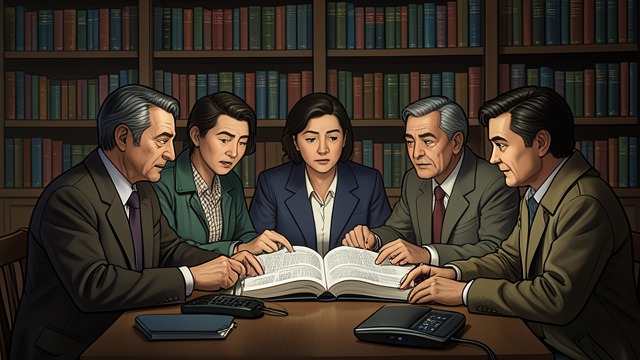
A Common Conversation
Common Terms
Codes, ratings, and format markers let readers discuss works with greater precision. They can point to a title and communicate more than a name alone.
Distributed Expertise
The compiler provides one perspective, but the guide invites many responses. Readers can agree, disagree, and extend the network through their own discoveries.
The catalogue becomes a meeting place without requiring everyone to read the same books.
Community Beyond the Book
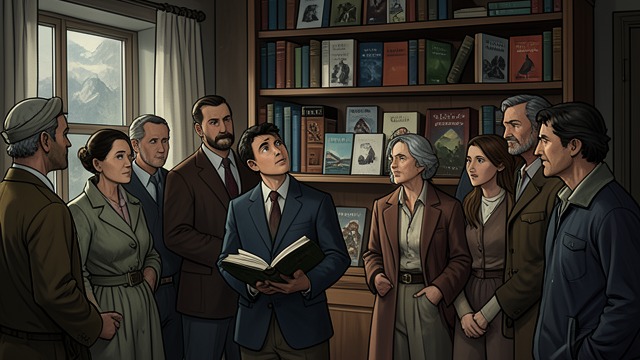
Continuing Connections
Following Links
A reader may move from a story to an author, from an author to an interview, or from a magazine to an anthology. Each movement enlarges the social field around the text.
Open Community
The resulting community is not closed by membership or doctrine. It is held together by shared curiosity and the repeated exchange of recommendations.
The guide resolves in an expanding network of readers.
before readers enter the catalogue
during the central catalogue sections
near the guide's conclusion
